
PRESS RELEASE | Comm-ext Launches Communications Toolkit to Help Leaders Navigate Layoffs
Linda Carlisle • May 18, 2026

Comm-ext Launches Communications Toolkit to Help Leaders Navigate Layoffs Without Damaging Trust, Culture or Performance

First in the “Moments That Matter™” series designed for mid-market and growth-stage organizations navigating high-stakes change


Layoffs are among the most defining moments in the life of an organization. Handled poorly, they erode trust, disengage employees, drive regrettable turnover, and create lasting reputational damage.”


— Linda Carlisle


BROOKFIELD, ILLINOIS, UNITED STATES, IL, UNITED STATES, May 18, 2026 /EINPresswire.com/ -- As layoffs continue to impact organizations across industries, many mid-market and growth-stage companies find themselves without the communications and change management infrastructure needed to manage these moments effectively -- often resulting in unnecessary damage to employee trust, retention, and brand reputation.

To address this gap, communications, change management, and culture advisor
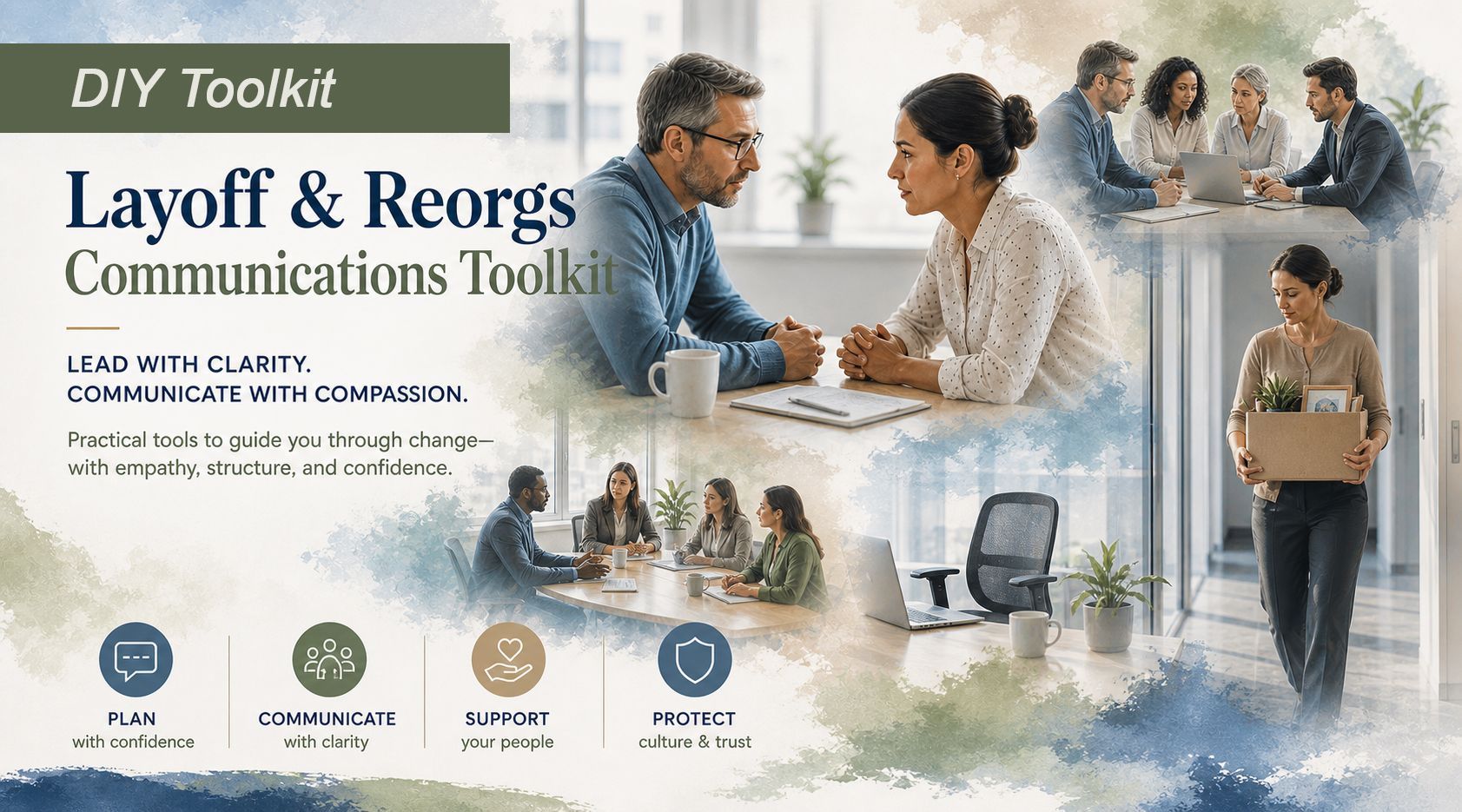
Linda Kay Carlisle, founder of Comm-ext LLC, today announced the launch of the Layoff Communications Toolkit, a practical, human-centered solution designed to help leaders plan, communicate, and manage layoffs with clarity, compassion, and confidence.

The toolkit is the first offering in Carlisle’s new “
Moments That Matter™: Communications Toolkits for High-Stakes Change” series, designed for mid-market and growth-stage organizations navigating high-stakes organizational change.

“Layoffs are one of the most defining moments in the life of an organization,” said Carlisle. “Handled poorly, they can erode trust, disengage employees, and create lasting reputational damage. But with the right structure and guidance, leaders can navigate these moments with clarity and humanity -- protecting both their people and their business.”

An Applied System for Managing the Human Side of Change
Unlike traditional training programs or theoretical guidance, the Layoff Communications Toolkit is designed as an applied system that combines expert-led video guidance with a structured workbook to support both communication planning and change management execution.

To help non-communications professionals navigate this difficult moment without adverse reactions from various stakeholders, the kit includes step-by-step instructions for crafting messaging to multiple sets of stakeholders, timeline templates to ensure precise message alignment and delivery, a sample NDA agreement, an approach for handling social media, guidelines for training managers to handle bad news, a sample set of questions for pulse surveys, and much more.

Built for organizations that may not have a dedicated internal communications function -- but face real business risk -- the toolkit provides step-by-step support for:
-- Planning and sequencing change communications
-- Aligning leadership messaging and change strategy
-- Equipping managers to lead through the human impact of change
-- Managing employee reactions and supporting transition and adoption
-- Protecting culture and engagement during and after organizational change

Accessible Options for Organizations of Different Sizes
Recognizing that many growing companies lack the resources for full-scale communications and change support, Carlisle designed the offering with flexible entry points:

-- DIY Toolkit (starting at $500):
Comprehensive self-guided videos and workbook package

-- DIY+ Guided Support: Includes DIY Toolkit plus targeted advisory support

-- Turnkey Solution: Full-service communications, change management planning, and execution for high-stakes organizational changes where company culture is key and getting it right is mission-critical.

This tiered approach allows organizations to access expert guidance at a level that matches their needs, resources, and risk profile.

Part of a Broader Series Addressing High-Stakes Organizational Change
The Layoff Communications Toolkit is the first in a planned series of resources addressing other critical business moments, including mergers and acquisitions, leadership transitions, organizational restructuring, and major technology rollouts.

Each toolkit is designed to provide leaders with practical, human-centered guidance during moments that can shape their organization’s future -- for better or worse.


# # # # #


About Linda Carlisle and Comm-ext, LLC

Linda Kay Carlisle is a communications, change management, and culture advisor with more than 30 years of experience helping organizations navigate complex business challenges, including mergers and acquisitions, layoffs, organizational transformation, and crisis situations.

Through Comm-ext LLC, she works with mid-market and growth-stage organizations to align strategy, communication, change execution, and culture during critical moments that define performance, engagement, and long-term success.

Availability
The Layoff Communications Toolkit is now available. For more information, visit
www.comm-ext.com/store or info@comm-ext.com.


Linda Carlisle
Comm-ext, LLC
+1 630-886-3629
lindacarlisle@comm-ext.com
V
isit us on social media:
LinkedIn
Other

By Linda Carlisle • October 20, 2026
Why planning for 2027 should include flexible communications capacity for the Moments That Matter™.
By Linda Carlisle • October 15, 2026
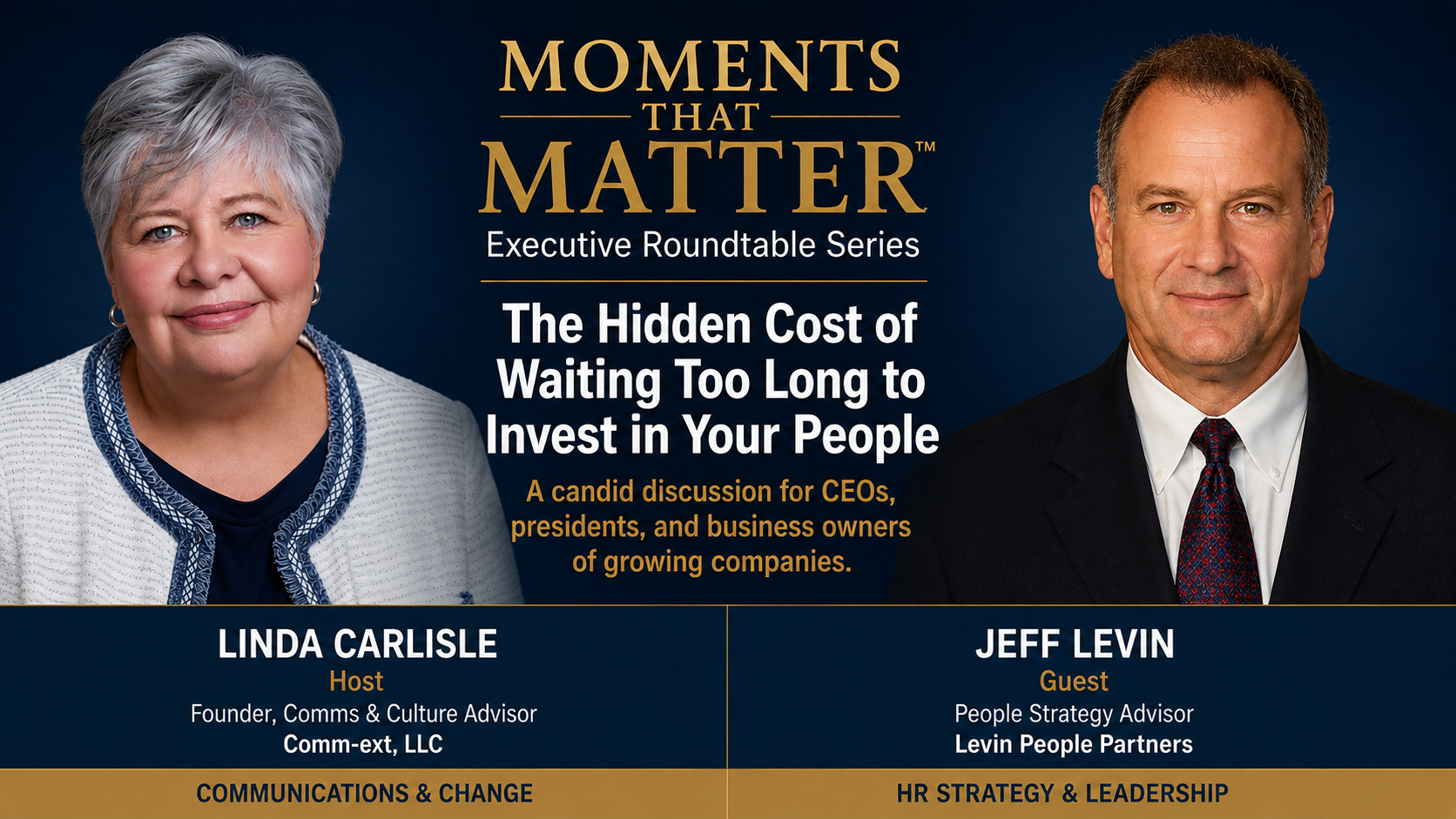
Moments That Matter: Executive Roundtable Episode 1: Featuring Jeff Levin, Levin HR Consulting Growth is supposed to be a good thing. Revenue increases. New customers come aboard. Headcount expands. The organization takes on new opportunities, new markets and greater complexity. But something doesn't always grow at the same pace: the infrastructure needed to help people succeed. The leadership practices that worked when everyone knew each other no longer scale. Managers develop different approaches to handling performance issues. New employees have inconsistent onboarding experiences. Communication becomes fragmented. And the CEO, who once had a direct line of sight into nearly everything, begins hearing about problems only after they've become serious. Before long, the symptoms become difficult to ignore: regrettable turnover, disengagement, confusion, inconsistent execution and declining trust. The company has grown, but the systems that connect its people to its strategy haven't kept up. That's the challenge at the heart of the first episode of Moments That Matter: Executive Roundtable, a new conversation series exploring the critical inflection points that shape organizational performance. My guest, Jeff Levine of Levin HR Consulting, and I approach these challenges from complementary perspectives. Jeff focuses on HR strategy, leadership capability and the people processes organizations need to support growth. My work focuses on strategic communication, organizational culture and helping people understand, navigate and execute consequential change. Our conversation reinforced something we both see in our work: what looks like an HR problem often has a communication dimension, and what looks like a communication problem may have deeper organizational causes. The Warning Signs Are Often Symptoms, Not the Problem Imagine a 120-person manufacturing company whose revenue has doubled over four years. On paper, the business is thriving. But employees are leaving, managers are handling performance issues inconsistently, and people complain that leadership isn't communicating. Where should the CEO start? Jeff's answer is revealing: the problems on that list are real, but they may be symptoms of something more fundamental. Rather than immediately introducing another retention initiative, training program or employee communication campaign, he begins by diagnosing the organization. Are problems concentrated in a particular plant, function or team? Are managers equipped to lead difficult conversations? Do employees understand expectations? Are the people processes that worked for a smaller company still appropriate for the business today? Employee surveys, focus groups and conversations with leaders can reveal patterns that aren't visible when each issue is treated independently. This is where experience matters. Solving the wrong problem can be expensive, even when the solution itself is well executed. When the Structure Breaks Down, Trust Often Follows I tend to encounter a related challenge during periods of significant organizational change. A company introduces a new strategy, appoints a new CEO, reorganizes teams or establishes more demanding performance expectations. Leadership has spent months evaluating the situation and determining the right course of action. The decisions may be entirely appropriate. But employees haven't participated in that process. They see priorities changing, familiar projects disappearing, reporting relationships shifting and expectations increasing. They may understand what is happening without understanding why. In the absence of that explanation, people begin constructing their own. Is the company in trouble? Is my job secure? Does leadership know what it's doing? Can I trust the new direction? I've seen this dynamic in a private-equity-backed organization where a new CEO was under considerable pressure to deliver growth. The leader introduced changes intended to improve performance, but the rationale wasn't communicated with sufficient clarity throughout the organization. Employees felt the urgency without understanding the opportunity. Instead of building momentum, the changes generated uncertainty and fear—and productivity suffered. The problem wasn't necessarily the strategy. It was the gap between leadership's understanding of the strategy and employees' ability to make sense of it. A sound business decision can still produce a poor business outcome if the people expected to execute it don't understand or trust the direction. One Announcement Isn't a Change Strategy This is one of the most common misconceptions I encounter. Leaders have spent weeks or months studying a problem, evaluating options, debating trade-offs and arriving at a decision. Then they announce the decision and expect the organization to move forward. But employees are hearing the conclusion without the benefit of the journey that led to it. Getting people to understand and support change requires more than telling them what has been decided. It means explaining why the change is necessary, what it means for the business, what it means for individual functions and what people will need to do differently. It also means equipping managers to translate enterprise priorities into the realities of their teams. And it means listening. Did employees understand the message? What concerns emerged? Where is the strategy being interpreted differently? What additional information or support would help people move forward? Communication during change is not a single event. It's an ongoing process of building understanding, alignment, confidence and capability. HR and Communication Solve Different Parts of the Same Challenge One of the most interesting themes in my conversation with Jeff was how often our respective disciplines intersect. HR strategy can establish clearer expectations, stronger management practices, better onboarding, more effective performance systems and the organizational structure needed to support growth. Strategic communication helps people understand those expectations, trust the direction, navigate transitions and translate business priorities into action. Neither discipline replaces the other. A beautifully communicated strategy won't fix broken management processes. And well-designed processes won't deliver their full value if employees don't understand what is changing or why. This becomes particularly important during mergers and acquisitions, leadership transitions, rapid growth and organizational transformation. In an acquisition, for example, the financial and operational logic may be compelling. But the ability to realize that value depends on people: the leaders who remain, the employees who carry institutional knowledge, the teams that must work together and the culture that emerges from the integration. The organization needs both a people strategy and a deliberate approach to communication and change. What Got You Here Won't Necessarily Get You Where You Want to Go Near the end of our conversation, Jeff shared something a business executive once said to him: “What got me here is not gonna get me to the next level.” That observation captures the challenge of organizational growth. The practices that helped a company succeed at one stage may become constraints at the next. A founder's personal relationships may no longer be sufficient to keep employees aligned. Informal management practices may create inconsistency. Communication that once happened organically may now require deliberate systems, processes and leadership attention. Recognizing that shift is not an admission of failure. It's a sign that the business has reached another stage of maturity. And it doesn't always require building a large permanent executive team. Experienced fractional HR, communications and change leaders can help organizations diagnose problems, build the necessary capabilities and navigate critical transitions without immediately committing to additional full-time executive roles. The key is recognizing the moment before the consequences become too costly. Watch the Conversation In this first episode of Moments That Matter: Executive Roundtable, Jeff and I explore: Why growing companies outgrow their people infrastructure How to distinguish organizational symptoms from underlying problems Why communication breakdowns can erode trust and performance What HR and communication leaders each contribute during M&A and other major changes Why listening is one of the most overlooked leadership capabilities When experienced fractional expertise becomes mission-critical Watch the full episode now. # # # About Our Guest: Jeff Levine Jeff Levine of Levin HR Consulting works with growing companies to strengthen HR strategy, leadership practices and the people processes needed to support sustainable performance. His approach emphasizes diagnosing underlying organizational challenges and developing practical solutions that help businesses scale. Connect with Jeff: https://www.linkedin.com/in/jeffslevin/ About Linda Carlisle and Comm-ext Linda Carlisle is the founder of Comm-ext, providing fractional strategic communications, culture and change leadership to organizations navigating the Moments That Matter™—including growth, mergers and acquisitions, leadership transitions, reorganizations and enterprise transformation. Comm-ext helps organizations connect business strategy with the communication, alignment and workforce readiness needed to execute it. Learn more: https://www.comm-ext.com/fractional-communications-change-culture
By Linda Carlisle • October 14, 2026
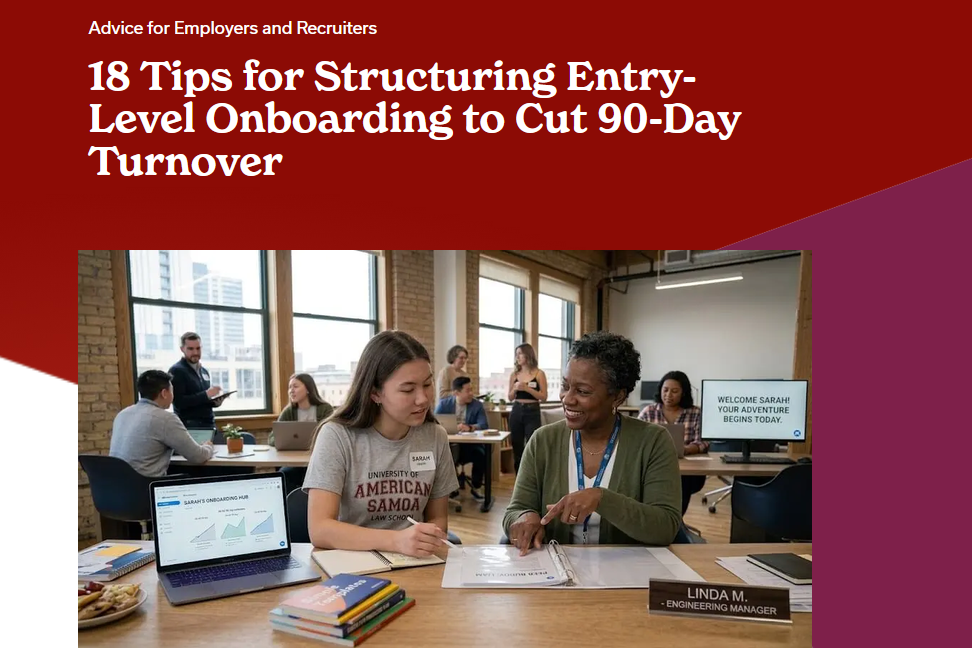
18 Tips for Structuring Entry-Level Onboarding to Cut 90-Day Turnover - College Recruiter I recently had the honor of being invited to contribute to this exceptional article about Employee Onboarding by College Recruiter - how to do it well, and why it matters. Truth is, you never get a second chance to make a great first impression. In the case of employee onboarding, doing it well makes the difference between an employee who is highly engaged and committed to spending years of their career with your company, and one who begins questioning whether they made the right choice. Planning and developing the timed content that comprises a well-designed onboarding experience is one of the services that we offer here at Comm-ext. A successful well designed employee onboarding program is filled with purposeful touch points designed to provide cultural, interpersonal and informational resources at the employee's fingertips. By layering experiences throughout the first day, week, month, quarter...year, in an employees career at your company, you are introducing them to ideas and resources that arrive just as they need them -- from connections in their own department, in their own age group, to an exploration of what they want their career to be just as they are embarking on the end of their one-year mark -- you are delivering the tools they need to be successful and the invitation they need to imagine spending many years of their career in your employ. By building your onboarding protocol into your HRIS system, you are able to prompt key stakeholders in the employees career path to take deliberate action that contributes to the onboarding experience just when they are needed to enrich the experience for optimum engagement. I hope you enjoy the ideas that I and a panel of HR experts shared in this College Recruiter article on structuring entry-level onboarding to reduce 90-day turnover . 
By Linda Carlisle • October 9, 2026
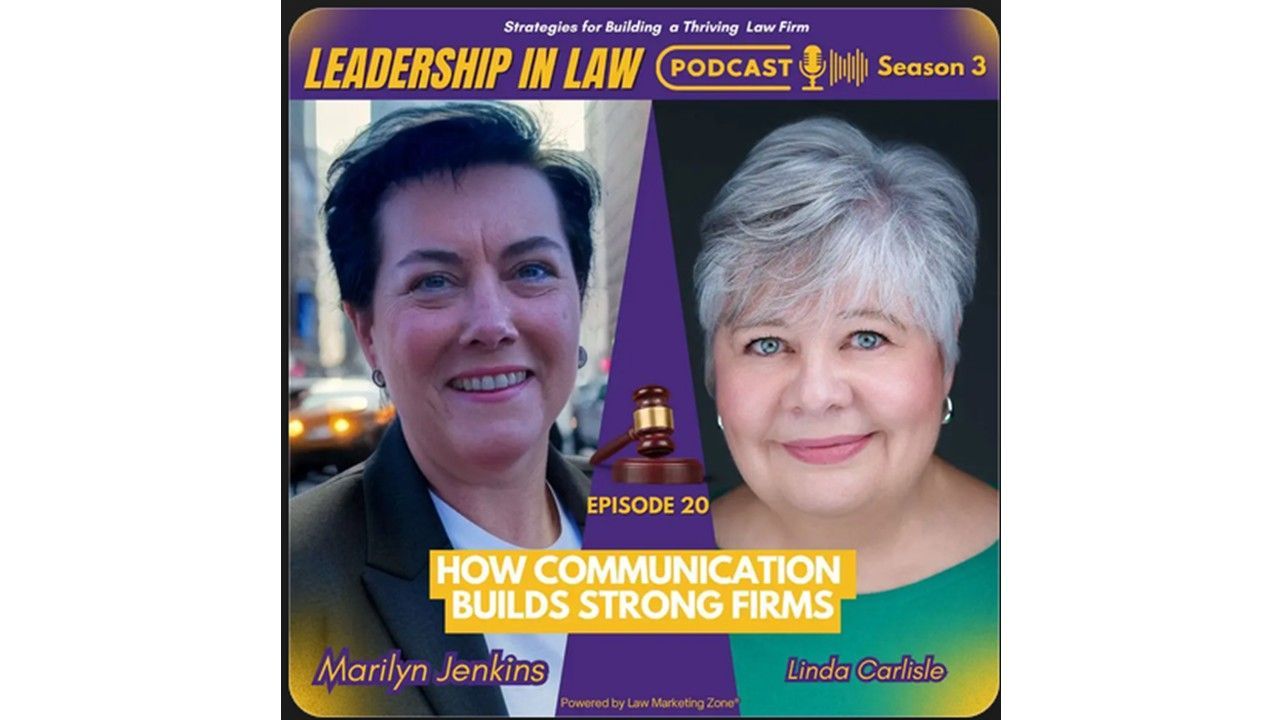
In this episode of The SAFE Leader Podcast, Dr. Mark McBride-Wright is joined by Linda Carlisle, a seasoned communications and culture strategist with extensive experience helping organisations navigate moments that matter. From her early career in brand strategy to her deep dive into internal communications, Linda shares powerful insights into how culture is shaped by the behaviours we model, the messages we send, and the stories we choose to tell. Together, they explore the vital link between internal culture and external brand, the role of communication in fostering psychological safety, and why diversity and inclusion are essential business fundamentals, not just moral imperatives. Linda also shares her perspective on how leadership styles are evolving, why empathy must sit at the heart of communication, and what organisations often get wrong during times of change . Whether it’s onboarding new employees or managing cultural integration during mergers, she emphasises the need for listening, care, and deliberate messaging. This episode is a must-listen for leaders, HR professionals, and culture builders seeking to create environments where people feel seen, heard, and empowered to thrive. Listen to the full podcast now.
By Linda Carlisle • October 9, 2026
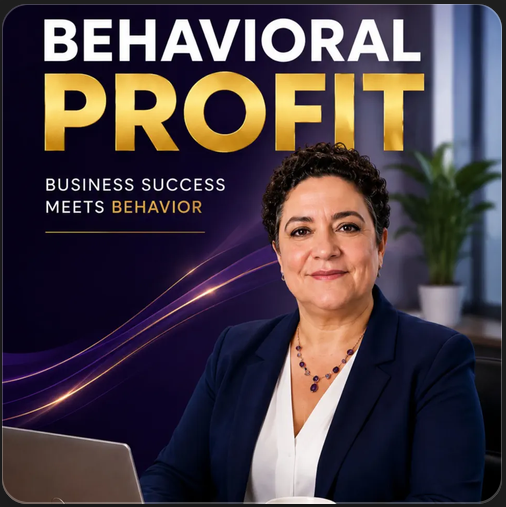
In this episode of Behavioral Profit, Executive Behavioral Coach Debbie Longo talks with Linda Carlisle, a culture and communications advisor and founder of com.ext, LLC. Linda explains why communication breaks down during high-pressure change and how that quickly erodes trust, engagement, and performance. You’ll learn the practical behaviors that protect psychological safety during mergers, reorganizations, layoffs, and major transitions—without lowering performance standards. This is a must-listen for leaders who want stronger culture, clearer communication, and better results during disruption . Listen to the podcast now.
By Linda Carlisle • October 9, 2026
Culture becomes strategy when pressure rises.
By Linda Carlisle • October 9, 2026
What happens to trust when an organization changes faster than its people can process?
By Linda Carlisle • October 9, 2026
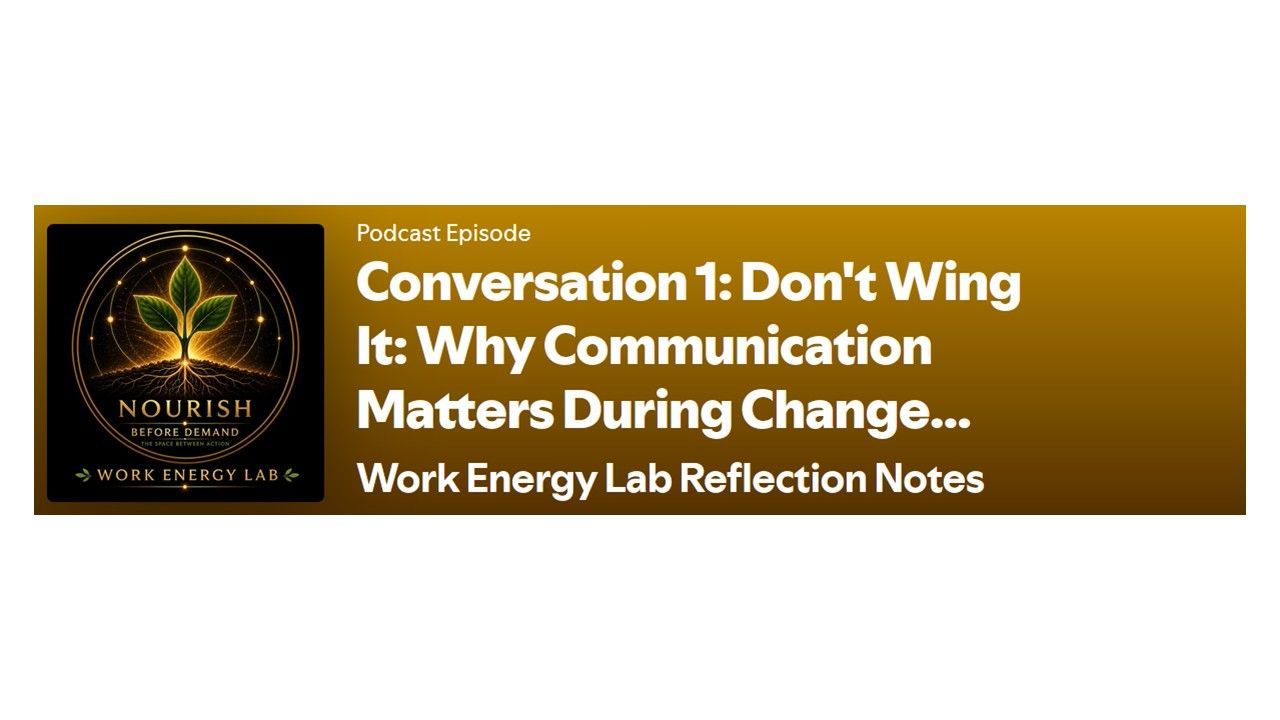
In this episode of Work Reflection Conversations, Angela Weese is joined by Linda K. Carlisle, MSIMC, a fractional corporate communications partner with more than 30 years of experience helping organizations navigate high-stakes moments of change. Linda works with business leaders, VCs, private equity firms, and portfolio companies to solve communication and culture challenges during the “Moments that Matter™,” including mergers, acquisitions, restructures, leadership transitions, workforce reductions, turnarounds, technology implementations, and other disruptive organizational changes. Together, Angela and Linda explore what it means to communicate when leaders feel like they are “flying the plane while building it.” Their conversation highlights why uncertainty requires honesty, alignment, and thoughtful preparation — not overconfident answers or improvised messaging. Linda shares practical guidance for executives, HR leaders, and managers on preserving trust, reducing fear, supporting psychological safety, and helping people move forward during difficult change. If your organization is navigating change, or if you are responsible for communicating sensitive decisions to employees, this conversation offers timely insight into why strong communication is not just a nice-to-have — it is a critical risk management tool. Listen to episode now.
By Linda Carlisle • September 30, 2026
Why It May Be Time for a Better Metaphor for Organizational Transformation
By Linda Carlisle • September 30, 2026
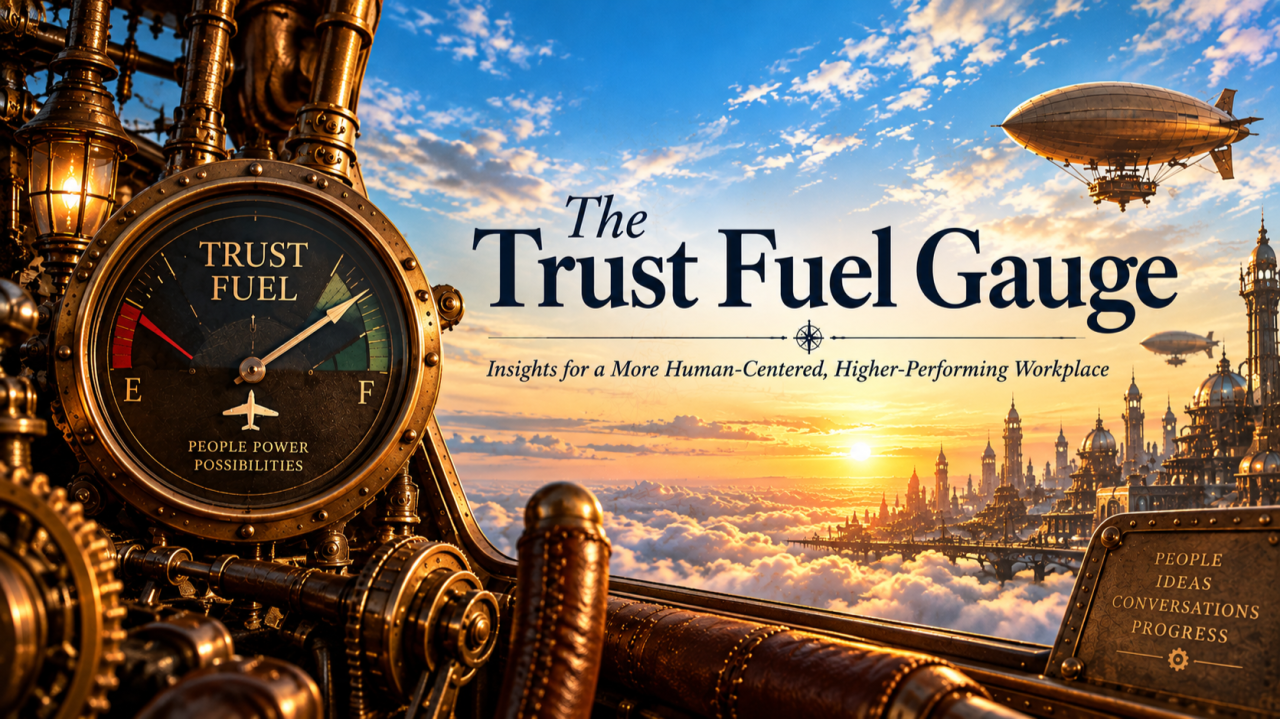
In the Trust Economy, even a sound strategy can crash and burn when the tank runs dry.
Show More